
How Multi-Site Manufacturers Lose Leads to Inconsistent Coverage
Multi-site manufacturers work hard to drive traffic, build brand awareness, and support complex buying cycles, yet a surprising amount of opportunity slips away quietly. The biggest leaks often do not show up on a report: they happen when a buyer is ready to talk, clicks around a site for help, and finds no one available to respond in real time. That gap between interest and interaction is exactly where manufacturing lead generation gets weaker than it needs to be.
In this article, we will look at how inconsistent live chat coverage across multiple websites, product lines, and regional microsites hurts revenue. We will explain where blind spots appear, how they affect different types of industrial buyers, and why human-powered manufacturing chat services create a far stronger, more consistent front line across every site you operate.
Missed Conversations, Lost Revenue: The Hidden Cost of Gaps
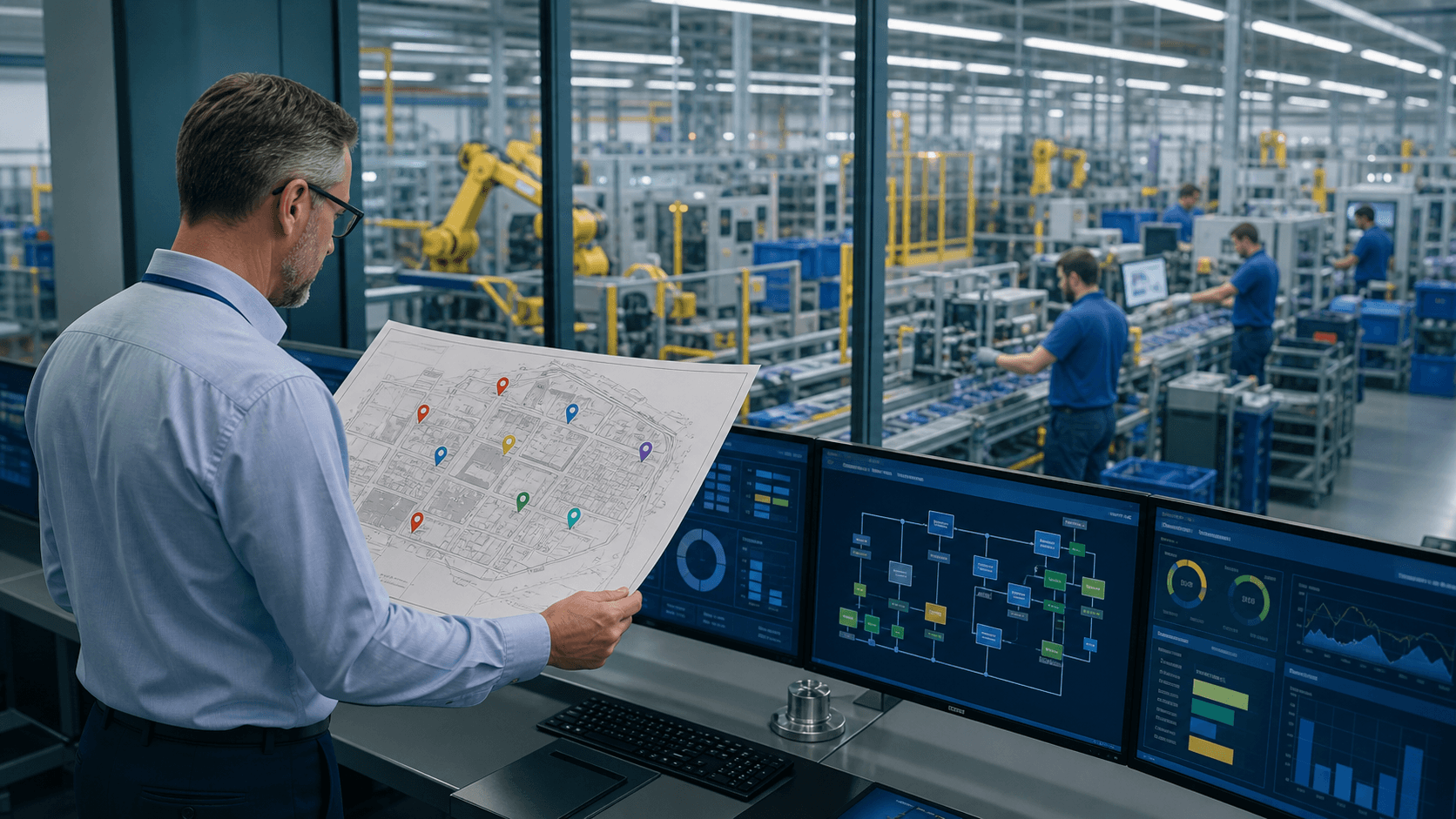
A typical multi-site manufacturer might have a polished corporate site, several product or division sites, regional microsites for specific markets, and a rotating set of campaign landing pages. Each property gets attention at different times, often based on the latest project or trade show, which means support coverage becomes fragmented. Some sites get live chat, some are stuck with a basic form, and some get no real-time support at all.
When that happens, manufacturing lead generation quietly suffers. Marketing teams keep driving traffic, paid campaigns keep running, and sales keeps asking for more opportunities. Meanwhile, buyers are arriving on high-intent pages and not finding a fast way to talk to a real person. The result is lost conversations that never even reach your CRM.
Manufacturing chat services like what we provide at Manufacturing Chats exist to close those gaps. With human-powered live chat tailored for industrial and manufacturing companies, you can unify coverage across every site, capture more qualified leads, and give buyers a consistent experience everywhere they interact with your brand.
How Multi-Site Structures Create Lead-Leaking Blind Spots
Multi-site structures are common in manufacturing because the business is rarely simple. A single organization might maintain:
- A corporate site focused on brand, investors, and talent
- Division or product-line sites with deep technical content
- Plant or facility pages with local details and certifications
- Distributor or partner portals with shared resources
- Campaign-specific landing pages for trade shows or product launches
Over time, each of these properties tends to evolve its own stack of tools. One site might rely on a generic web form, another might run a basic bot, a third might list only phone numbers, and a fourth might experiment with a live chat widget that is rarely staffed. Visitors never see this as a "stack"; they just experience unpredictable support.
Those blind spots hit key buyer journeys at the worst possible moments. Engineers looking for exact specs or compatibility details may abandon a page if they cannot clarify a question quickly. Procurement teams trying to confirm availability or lead times might leave if they cannot get responses fast enough to meet their internal deadlines. OEMs interested in private-label or large-volume programs may hesitate if there is no obvious, real-time path to a knowledgeable human. Each of these abandoned sessions is a missed RFQ or delayed opportunity.
Inconsistent Coverage and Its Impact on Manufacturing Leads
Inconsistency shows up in several ways that directly drag down manufacturing lead generation performance. We often see gaps like:
- Chat only on the main corporate homepage, but not on detailed product or application pages
- Limited business hours, with no coverage early in the morning, late in the day, or during regional peaks
- Regional or plant microsites with no chat at all, even though local customers rely on them
- Overdependence on simple bots that fail when questions become technical or application-specific
When buyers cannot get help at the moment they want it, conversion rates drop. Technical inquiries may sit unanswered in inboxes, leading to delays that push buyers toward faster competitors. Poor qualification at the first touchpoint means sales teams spend time chasing unfit leads while real, high-value opportunities move on.
The impact shows up in the downstream numbers: fewer booked meetings with serious projects attached, more deals going dark before a quote is requested, and CRM records that are missing valuable context because many conversations never occur in the first place. Every unstaffed chat box or missing widget is effectively a closed door.
Why Human-Powered Manufacturing Chat Services Outperform Bots
Generic chatbots are tempting because they promise 24/7 coverage with little overhead. The problem is that industrial buyers rarely ask simple, one-click questions. They ask about tolerances, materials, compliance, installation environments, and how one product compares to another in real-world use. These are not questions most basic bots can handle without frustrating the visitor.
Human-powered manufacturing chat services solve this by putting trained people at the front line. At Manufacturing Chats, our agents are trained specifically on industrial and manufacturing contexts, terminology, and buyer types. This allows them to ask the right follow-up questions, qualify opportunities based on realistic criteria, and guide visitors to the right product pages, documents, or internal teams.
Across all your sites, that human touch delivers consistent tone, process, and qualification, so buyers do not feel like they are dealing with different companies depending on which URL they clicked. It also ensures that when questions get technical or complex, the conversation moves forward instead of hitting a dead end.
Some of the advantages of human-powered chat across multiple sites include:
- Real conversations that adapt to technical depth and use cases
- Standardized qualification questions aligned with your sales process
- Reliable response times that build trust with serious buyers
- Accurate routing based on product line, territory, or account type
Creating a Unified Chat Strategy for Every Site You Operate
To turn multi-site sprawl into a strength, you first need a clear view of where you stand. A practical starting point is a simple coverage audit. List every site and key section, then identify:
- Where chat is currently deployed
- Which pages have the highest intent, such as technical specs or quote request pages
- Which regions or divisions rely heavily on their own microsites
- Where chat volume, if any, feels too low relative to traffic
Once you see the landscape, you can standardize rules of engagement. Define where chat should appear, when it should proactively pop up, what visitor information should be captured, and how leads should be routed based on product line, geography, or account status. The goal is not to treat every site as identical, but to give each one the same level of readiness for serious buyers.
This is where a central partner like Manufacturing Chats makes a difference. We can help you build a unified playbook for all of your properties, then adjust for local details like language preferences, regional business hours, or key account requirements. The result is consolidated control with room for nuance, so every site contributes meaningfully to manufacturing lead generation instead of operating in a silo.
Turning Multi-Site Complexity Into a Lead-Generation Advantage
Multi-site structures do not have to be a liability. With consistent, human-powered manufacturing chat services in place, they can become a genuine strength. Each product site, plant page, and campaign landing page turns into a live front door, staffed by people who understand industrial buyers and know how to qualify real opportunities.
When every web property offers the same high level of support, buyers feel confident no matter where they start their research. Your marketing teams get better conversion from their traffic, sales teams receive clearer and more qualified leads, and leadership gains visibility into conversations that used to happen, or fail to happen, out of sight. That is how multi-site complexity can evolve into a coordinated, reliable engine for manufacturing lead generation across your entire digital footprint.
Turn Qualified Manufacturing Conversations Into Revenue Faster
If you are ready to turn more technical chats into real sales opportunities, we can help you build a focused manufacturing lead generation engine that fits your processes. At Manufacturing Chats, we blend industry expertise with conversational workflows so your team spends more time closing and less time chasing. Tell us about your goals and constraints, and we will recommend a practical starting point. To discuss specifics for your plant or production services, simply contact us.